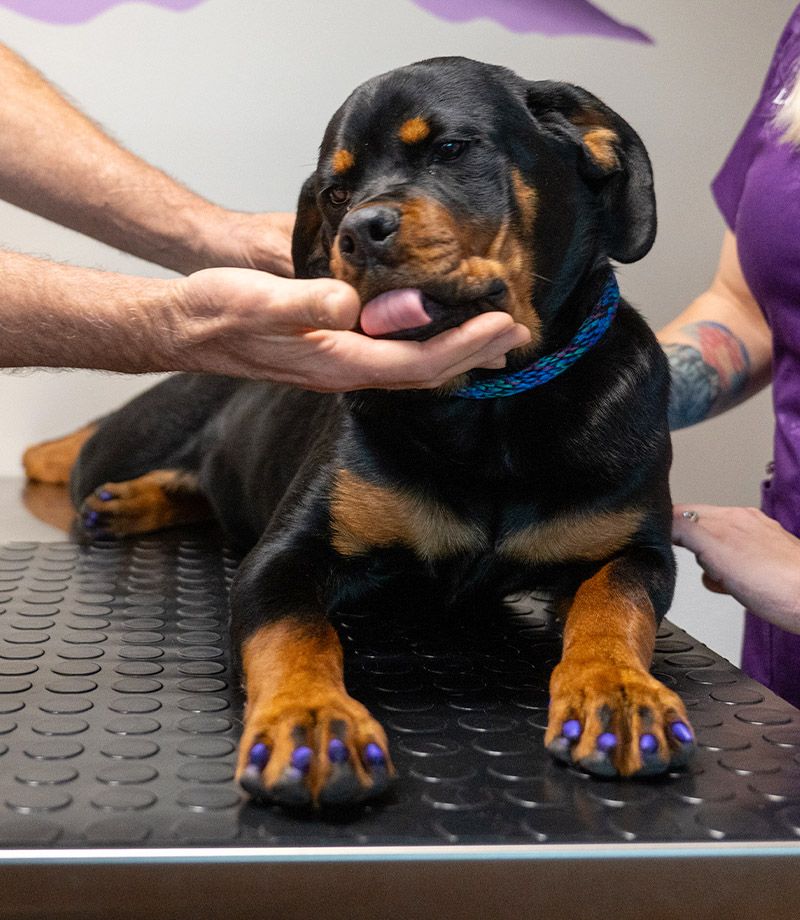
Microchips are tiny devices, about the size of a grain of rice, that carry a unique identification number. When a lost pet is found and scanned at a veterinary hospital or animal shelter, the microchip number appears on the scanner. The finder can then contact the microchip registry to locate the pet’s owner using the contact information linked to that identification number. Unlike collars and tags that can fall off or become unreadable, microchips last a lifetime and provide reliable identification.
Microchipped dogs are more than twice as likely to be returned to their owners, and microchipped cats are more than twenty times more likely to make it home. These statistics highlight just how effective this simple technology can be. Most shelters scan every animal they receive for microchips, giving lost pets a much better chance of reuniting with their families.